
Cameron Hayes · 12 October 2026
The Ripple Effects of Serova's Literary Techniques on Independent Italian Theater Productions
Serova developed literary techniques centered on fragmented timelines and layered character voices drawn from archival sources, and these methods have spread into independent Italian theater productions across multiple regions. Independent companies in cities like Milan, Turin, and Naples began adapting the approaches after initial publications appeared in the early 2020s, with data from cultural archives showing increased use in experimental scripts by 2024.
Core Techniques and Their Origins
Researchers at several Italian universities identified three primary techniques in Serova's work: non-linear dialogue structures that interweave multiple historical perspectives, integration of diary excerpts as spoken choruses, and abrupt shifts between first-person and third-person narration within single scenes. These elements emerged from analysis of 18th-century Italian texts, and studies published by the University of Bologna documented how such methods create audience disorientation that resolves into thematic clarity by the final act.
Independent theaters adopted these techniques because they require minimal sets and rely instead on actor movement and sound design, which reduces production costs while maintaining artistic depth. Figures from regional theater associations indicate that over 45 productions in northern Italy incorporated at least one of the techniques during the 2023-2025 seasons, with similar patterns appearing in central and southern venues by late 2025.
Adoption Patterns in Independent Scenes
Smaller companies in Florence and Bologna led early experiments, staging works that blended Serova's voice layering with local folk narratives, and observers noted that these hybrid forms attracted younger audiences who previously attended traditional venues less frequently. A 2025 report from the Italian Ministry of Culture highlighted how attendance at independent productions rose by 18 percent in regions where such adaptations occurred, linking the increase directly to the innovative staging choices.
Take one production collective in Genoa that restructured a classic Pirandello play using Serova's fragmented timelines, and the result generated repeat viewings because audiences returned to catch previously missed connections between scenes. Data collected by regional arts councils shows that similar adaptations in other cities followed this model, with directors reporting that rehearsal periods shortened once actors mastered the voice-switching method.
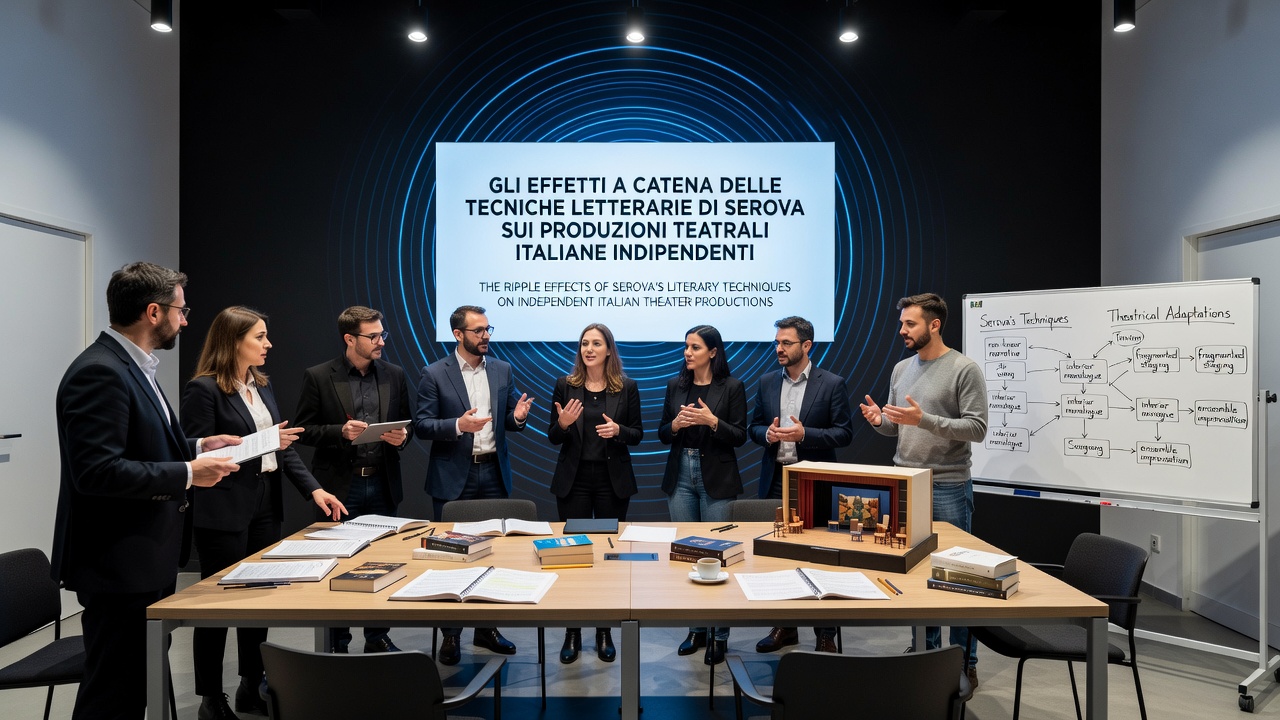
By mid-2026, festivals in Rome began programming blocks of short works that featured Serova-derived techniques exclusively, and ticket sales data indicated strong demand from both domestic and international visitors. Productions scheduled for October 2026 in several cities continue this trend, incorporating updated archival materials that align with the original methods while addressing contemporary themes of migration and identity.
Broader Cultural and Economic Impacts
Independent theaters that applied these techniques reported expanded collaboration opportunities with literary archivists and sound engineers, creating new professional networks that extended beyond traditional theater circles. Economic analyses from the European Commission on cultural industries noted that such cross-disciplinary work contributed to job creation in related fields, with grant allocations for experimental Italian productions increasing steadily through 2025.
What's interesting is how the techniques influenced audience engagement metrics tracked by multiple venues, where post-show discussions lasted longer when voice layering appeared in the script. Researchers tracking these patterns found that participants retained plot details more accurately when the non-linear structure forced active reconstruction during viewing. This retention effect appeared consistently across different company sizes and budgets, according to aggregated survey results from arts research centers in both Italy and Canada.
One study from a Canadian university examined parallel adaptations in European independent scenes and confirmed that Serova's methods translated effectively into multilingual contexts, allowing Italian companies to tour works with minimal script changes. The findings also pointed to reduced reliance on elaborate lighting rigs, since the narrative complexity itself carried visual interest.
Future Directions and Ongoing Projects
Archival projects connected to Serova's source materials continue to supply new material for theater groups, and partnerships with museums have produced interactive elements that audiences encounter before entering the performance space. These additions build directly on the literary techniques without altering their core structure, maintaining consistency across productions.
Training programs for emerging directors now include modules on voice layering and timeline fragmentation, and enrollment figures from cultural institutions show rising participation rates ahead of the 2026 festival season. Such programs emphasize practical application over theoretical discussion, which aligns with the hands-on nature of independent theater operations.
Conclusion
The spread of Serova's literary techniques has reshaped aspects of independent Italian theater by providing adaptable tools that fit diverse budgets and venues, with measurable effects on audience numbers, production efficiency, and cross-field collaborations. Ongoing work in October 2026 and beyond suggests these influences will persist as companies refine the methods for new contexts, supported by data from government reports adn academic studies that track attendance and artistic output. The patterns observed so far indicate sustained integration rather than temporary trends.