Cameron Hayes · 28 September 2026
Inside the Workshops Where Serova Trains the Next Generation of Cultural Archivists
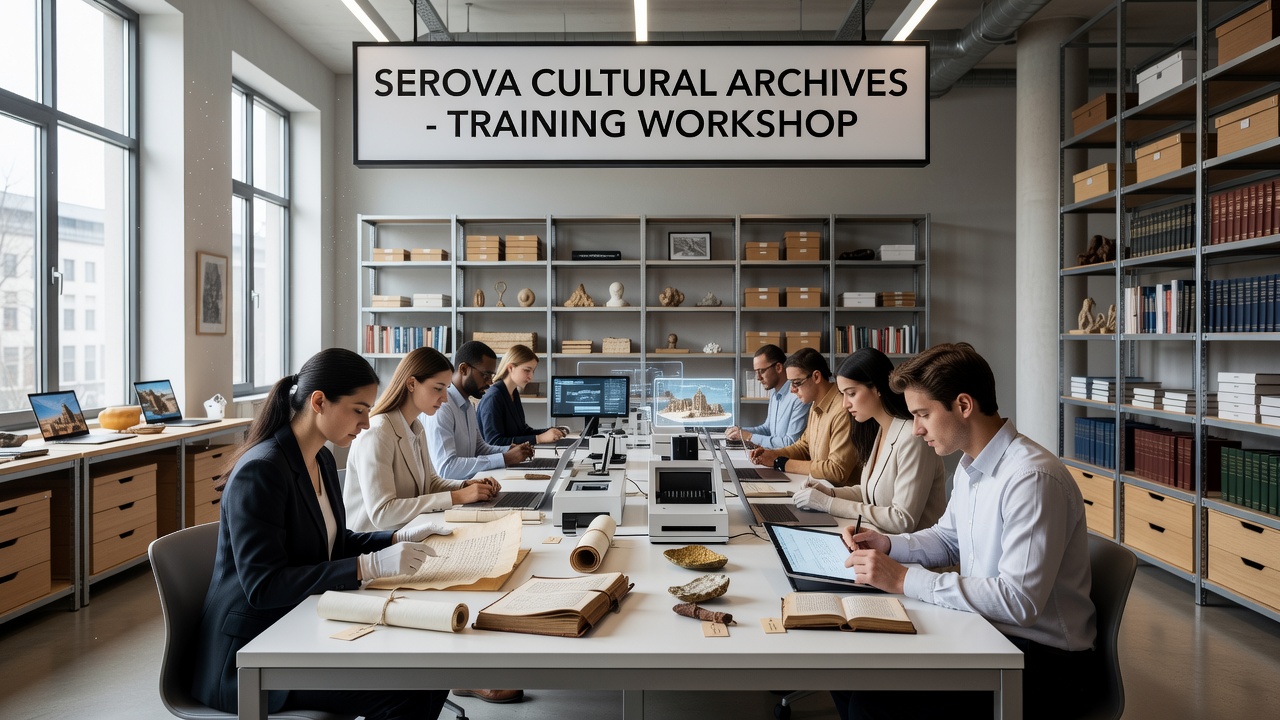
Workshops led by Serova focus on practical skills for preserving cultural records, and these sessions combine hands-on exercises with lectures on archival standards that have evolved over decades. Trainees handle original materials under supervision while they learn digitization protocols that align with international guidelines from organizations such as UNESCO. The programs emphasize both physical conservation techniques and digital metadata creation, so participants develop competencies that apply directly to museum and library environments.
Core Components of the Training Curriculum
Each workshop series covers document assessment, climate-controlled storage practices, and ethical handling procedures, and instructors demonstrate methods drawn from established European and North American archives. Participants practice creating finding aids that link physical items to searchable databases, while they also explore case studies involving 18th-century manuscripts that require careful restoration. Sessions incorporate group discussions on access policies, and this approach helps trainees understand how institutions balance preservation needs with public engagement requirements.
Training modules address emerging challenges such as format obsolescence and data migration strategies, and these topics prepare archivists for long-term management of mixed media collections. Exercises include cataloging photographs and audio recordings using standardized schemas, and instructors provide feedback based on current best practices documented in academic studies from Canadian universities. The curriculum updates regularly to reflect new research on material degradation, so attendees receive information that reflects recent findings from conservation science laboratories.
Practical Exercises and Skill Development
Hands-on activities form the backbone of every program, and trainees work with replicas alongside genuine artifacts to build confidence in their techniques. One exercise requires mapping provenance chains for items that lack complete documentation, and this task mirrors situations encountered in real institutional settings. Participants use magnification tools and pH testing kits during material analysis segments, while they record observations in structured templates that support consistent reporting across teams.
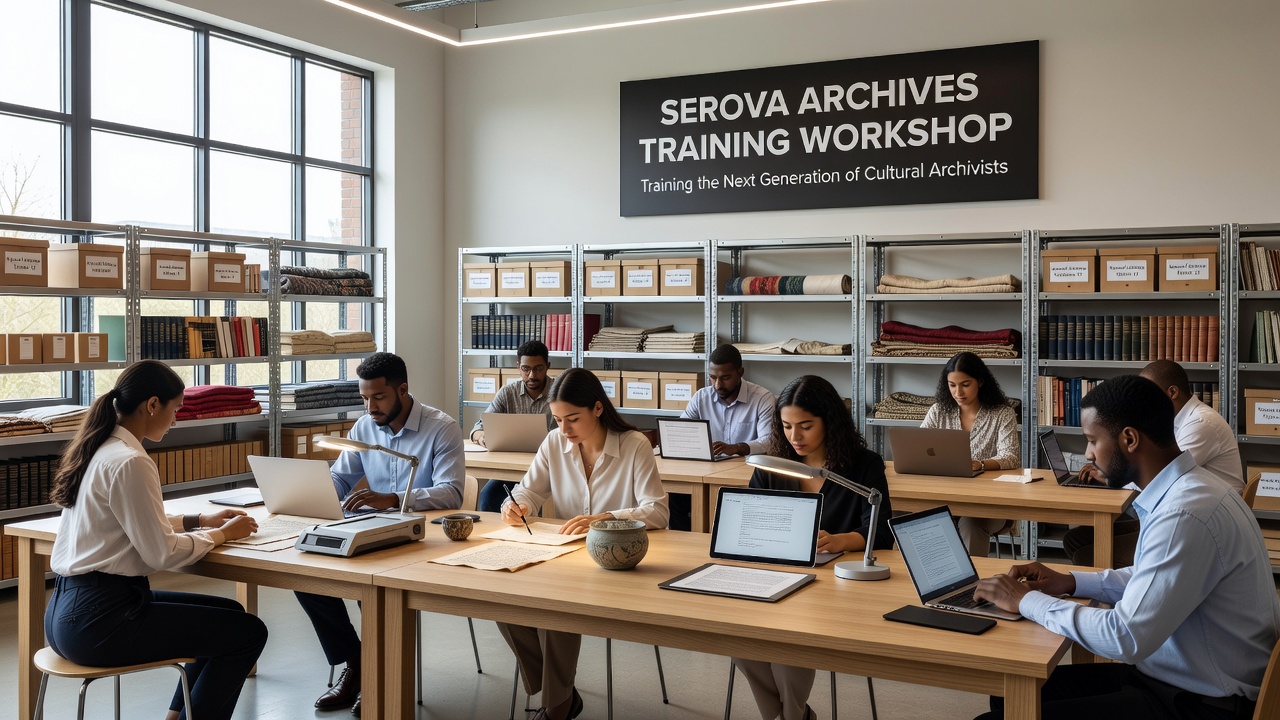
Collaborative projects allow small groups to simulate the workflow of a full archive intake process, and these simulations cover everything from initial condition reports to final digital access planning. Instructors introduce software platforms used by major repositories, and participants practice exporting records in formats compatible with systems maintained by institutions across the EU and Australia. Feedback sessions follow each exercise, and trainers highlight how small decisions in metadata entry affect long-term discoverability of cultural materials.
September 2026 Session Highlights
Upcoming workshops scheduled for September 2026 will introduce modules on AI-assisted transcription tools for handwritten texts, and these additions respond to increased demand for efficient processing of large manuscript collections. Organizers have incorporated input from European research networks that study automated recognition algorithms, so the content reflects tested applications rather than experimental concepts. Attendees will also examine case studies involving flood-damaged collections from regions outside Italy, and this broader perspective expands understanding of disaster recovery protocols.
Registration for the 2026 series opened earlier this year, and early participants include staff from national libraries in multiple countries who seek to standardize their internal training. The program structure allows for both in-person and hybrid attendance, which accommodates professionals who cannot travel for extended periods. Materials distributed in advance include readings on sustainable archival practices, and these resources draw from reports published by the International Council on Archives.
Participant Backgrounds and Outcomes
Individuals who complete the workshops often return to roles in museums, universities, and government heritage agencies, and follow-up surveys track how skills transfer into workplace improvements. Many participants come from smaller institutions that lack dedicated conservation staff, and the training provides foundational knowledge that supports local preservation initiatives. Alumni networks facilitate ongoing knowledge exchange, and former trainees share updates on projects that apply techniques learned during sessions.
Programs attract a mix of early-career professionals and mid-level staff seeking refresher training, and this diversity encourages peer learning during discussions. Observers note that graduates frequently contribute to larger collaborative projects, such as cross-institutional digitization efforts coordinated through academic partnerships. Data from similar programs indicates higher retention rates among staff who receive structured practical instruction compared with those who rely solely on on-the-job learning.
Conclusion
Serova workshops continue to expand their reach by integrating new technologies and adapting content based on participant feedback and external research developments. The focus remains on building reliable skills that support the long-term accessibility of cultural records across different institutional contexts. As sessions for September 2026 approach, organizers prepare materials that address both established methods and emerging tools, ensuring trainees receive preparation aligned with current archival demands.